Featured
Table of Contents
Media relations is where your strategic messaging fulfills the genuine world of journalism, due dates, and completing stories. It's about understanding the,, and that determine whether your story gets covered or overlooked.
Understand why each practice works and what interaction concept it shows. On examinations, you'll need to determine which best practice uses to a provided scenario and describe the reasoning behind it. Efficient media relations rests on, the concept that companies and publics (consisting of journalists) develop connections through repeated, equally beneficial interactions gradually.
Reporters keep in mind sources who provide accurate details reliably, and they prevent sources who've burned them previously. Knowing a reporter's beat, interests, and past protection reveals respect for their knowledge.
Even a short check-in or sharing a relevant idea keeps you on a press reporter's radar. Never try to manage or determine how reporters frame their stories.
How AEO Redefines Digital Visibility
Appreciating that function constructs long-lasting trustworthiness far more than attempting to work around it. Relationship Structure vs. Following Up: both focus on long-lasting connection, but relationship building occurs before you need protection while follow-up nurtures connections after interactions.
News value decays quickly, so your capability to respond quickly and expect due dates straight impacts whether you get covered. A day-to-day newspaper press reporter on a 5 PM due date works under totally different pressure than a monthly magazine writer.
If a press reporter can't find you, they'll find somebody else. Slow replies typically indicate missed chances, due to the fact that reporters move on to other sources quickly.
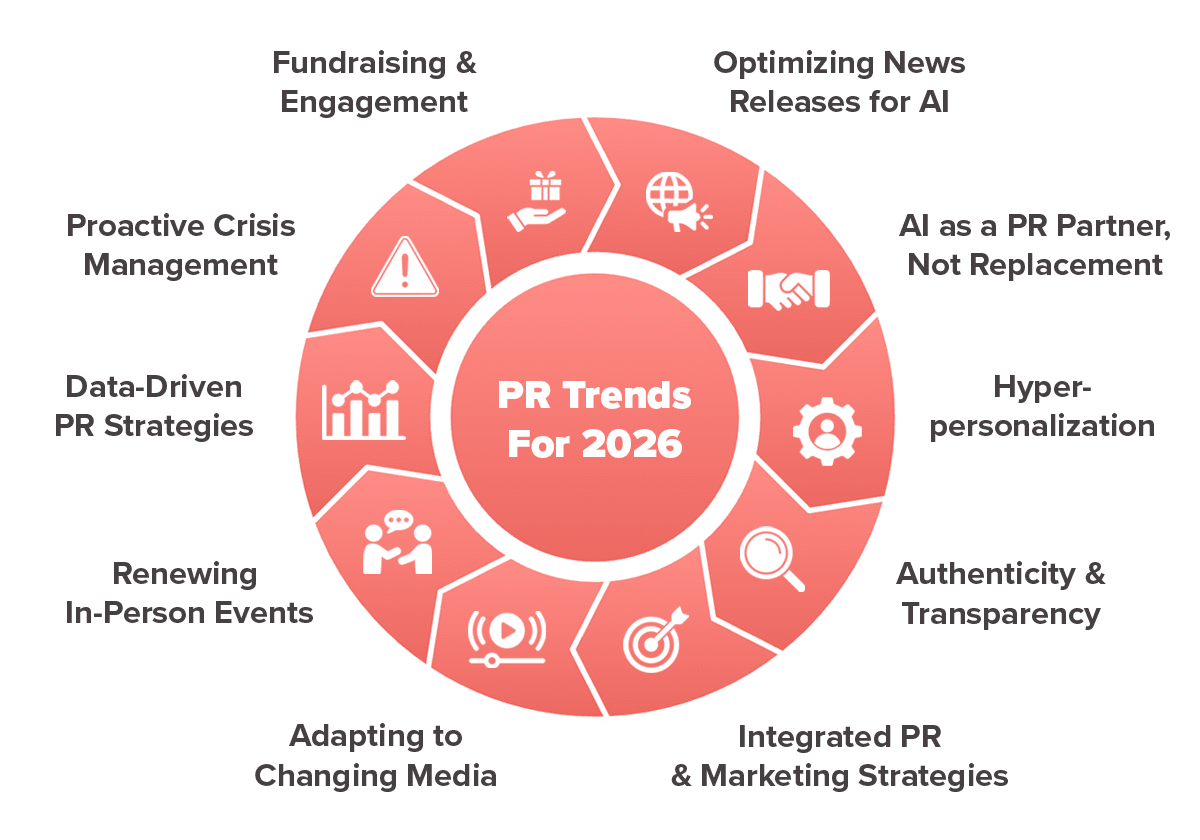
Emerging Trends Shaping Public Relations for 2026The Impact of AI in Modern Search
Both test your grasp of how time pressure shapes reporter behavior. These practices apply and to create content reporters in fact desire to use.
Believe: timeliness, impact, proximity, prominence, novelty. methods adjusting your angle to match what each outlet's readers appreciate. The exact same item launch gets pitched in a different way to a tech blog site versus a local organization journal. like pertinent quotes from called sources, confirmed information, and professional commentary reinforce your pitch and make the journalist's task much easier.
Every spokesperson needs to be working from the same strategic foundation. Believe about the hardest concern a press reporter could ask, then prepare for it. If two people from your organization state various things, reporters notice.
aid spokespersons handle hostile or unexpected questions without freezing up or going off-message. Press Releases vs. Secret Messages: press releases are external documents sent out to reporters, while crucial messages are internal frameworks that direct all communications. You may be asked to establish both for a single circumstance. discusses why precision and reliability identify your long-lasting efficiency as a PR expert.
Double-check names, dates, statistics, and estimates before anything goes out. If you sent inaccurate data, fix it right away rather than hoping no one notices.
Why PR Influences SEO and Trust
Providing one press reporter the story first can make you much deeper, more beneficial coverage. A special only works if the story is truly worth the reporter's time.
Modern media relations needs, indicating you require to comprehend how different channels reach different audiences and demand various content formats. Where does your designated audience really take in news?
extend reach beyond standard media to engaged online neighborhoods, though these need their own relationship-building method. reveals what angles will resonate with each outlet's readership. A pitch to a trade publication emphasizes market impact; the very same story pitched to a general newspaper highlights community importance. adapts tone, length, and format to fit editorial preferences.
Numerous press reporters are active on platforms like X (previously Twitter) and LinkedIn.
Is Your Brand Team Prepared for AI?
Traditional Media vs. Social Media: conventional channels use credibility and broad reach through gatekeepers, while social media allows direct engagement however needs more active relationship maintenance. Crisis interaction is media relations under maximum pressure.
Without a strategy, organizations waste crucial time figuring out the basics. Who speaks to the press? Who keeps track of coverage?
Are stories getting more unfavorable? Crisis Preparation vs. Monitoring: planning is preparation for potential problems, while monitoring is ongoing intelligence gathering. Both feed into crisis preparedness, but monitoring likewise notifies your regular media strategy day to day.
Emerging Trends Shaping Public Relations for 2026Is Your PR Strategy Ready for AI?
Compare and contrast the function of key messages versus press releases. Describe how you would use channel method concepts to optimize protection across different audience segments.

Latest Posts
How Modern PR Is Changing for Success
PR Vs PPC: Navigating the Search Landscape
Major Benefits of Integrating AI Into PR Strategy